First Light, Last Light: Wild Encounters by Rail across Britain’s National Parks

Step into the hush of golden hours with wildlife-watching strolls at dawn and dusk in British National Parks that you can reach by train and connecting shuttles. This guide shows how slow arrivals reveal red deer silhouettes, owl soft flights, and otter ripples, while leaving a smaller footprint. Expect practical routes from stations, ethical tips, and stories that turn timetables into wonder.

Arrive Gently: Trains, Shuttles, and Footpaths That Lead to Wonder

Trade car parks for platform edges and shuttle stops that drop you near heaths, moors, lochs, and ancient woods. Plan connections that turn first trains and last buses into golden windows, using reliable loops and seasonal services. From Hope Valley to Brockenhurst and Aviemore, short strolls begin within minutes of arrival, letting you listen for curlew, watch bats, or greet red squirrels without rushing. Lower stress, fewer emissions, more time for quiet observation.

Choosing stations near wild edges

Seek stations that place you on the doorstep of habitats: Edale for quick access to open gritstone edges, Brockenhurst for sweeping heath and bog, Windermere for lakeside woods, Aviemore for pine forest and lochs, Balloch for loch shores. Check onward shuttle maps, last departures, and safe, well-marked footpaths that keep you off fast roads between platforms and trailheads.

Mastering first and last light logistics

Align arrival and return with civil twilight, not just sunrise or sunset. Aim to be on the path thirty minutes before the glow, and back near transport as darkness thickens. Carry a headlamp with red mode, reflective strap, paper backup timetable, and a pre-booked taxi number in case the final shuttle fills or weather turns.

Tickets, passes, and flexibility

Off-peak returns and railcards can free budget for a thermos and better binoculars, while day passes on local shuttle loops remove parking worries completely. Keep plans flexible when wildlife holds you rapt: note later trains, alternative stops, and safe lit walking routes between bus stands and platforms in case your schedule joyfully drifts.

When the Quiet Stirs: Understanding Crepuscular Lives

Most wild neighbors favor the in-between hours. Deer step from cover, foxes thread hedges, owls quarter meadows, nightjars churr over heath, and bats drift above tree lines. Along rivers, otters leave silver rings; on uplands, mountain hares change pace with wind. Knowing these patterns shapes where you wait, how you move, and what you may witness.

Quiet Feet, Kind Eyes: Low-Impact Encounters

Your presence should fade into the landscape. Keep to marked paths where sensitive ground-nesting birds rely on camouflage, hold dogs close in lambing and calving seasons, and give generous distance to any animal that notices you. Swap loud conversation for hand signals, choose muted clothing, and let patience earn richer, calmer moments.

Respecting breeding and roosting zones

Look for seasonal notices that protect cliff ledges, heather mosaics, dune slacks, and quiet groves. Some paths detour during nesting or lekking; follow them gladly. Nightjars nest on open ground, ring ouzels haunt crags, and little owls favor barns. Your restraint today ensures fledglings, roosts, and territories thrive tomorrow.

Navigating livestock and ponies

Expect cattle, sheep, and free-roaming ponies across grazed commons and heaths. Move steadily, give broad space, and never feed or crowd them, however photogenic. Close gates, avoid separating young from mothers, and pass dogs on short leads. Calm, predictable behavior keeps you, the animals, and nearby wildlife relaxed and unalarmed.

Personal safety from first train to last bus

Tell someone where you are going, carry a charged phone with offline maps, and keep spare warmth in hat and gloves. Pack simple first aid, a whistle, and bright backup light. As dusk deepens, favor well-used routes, and reach stops early so drivers can see you waiting clearly.

Step Off and Wander: Short Routes for Big Moments
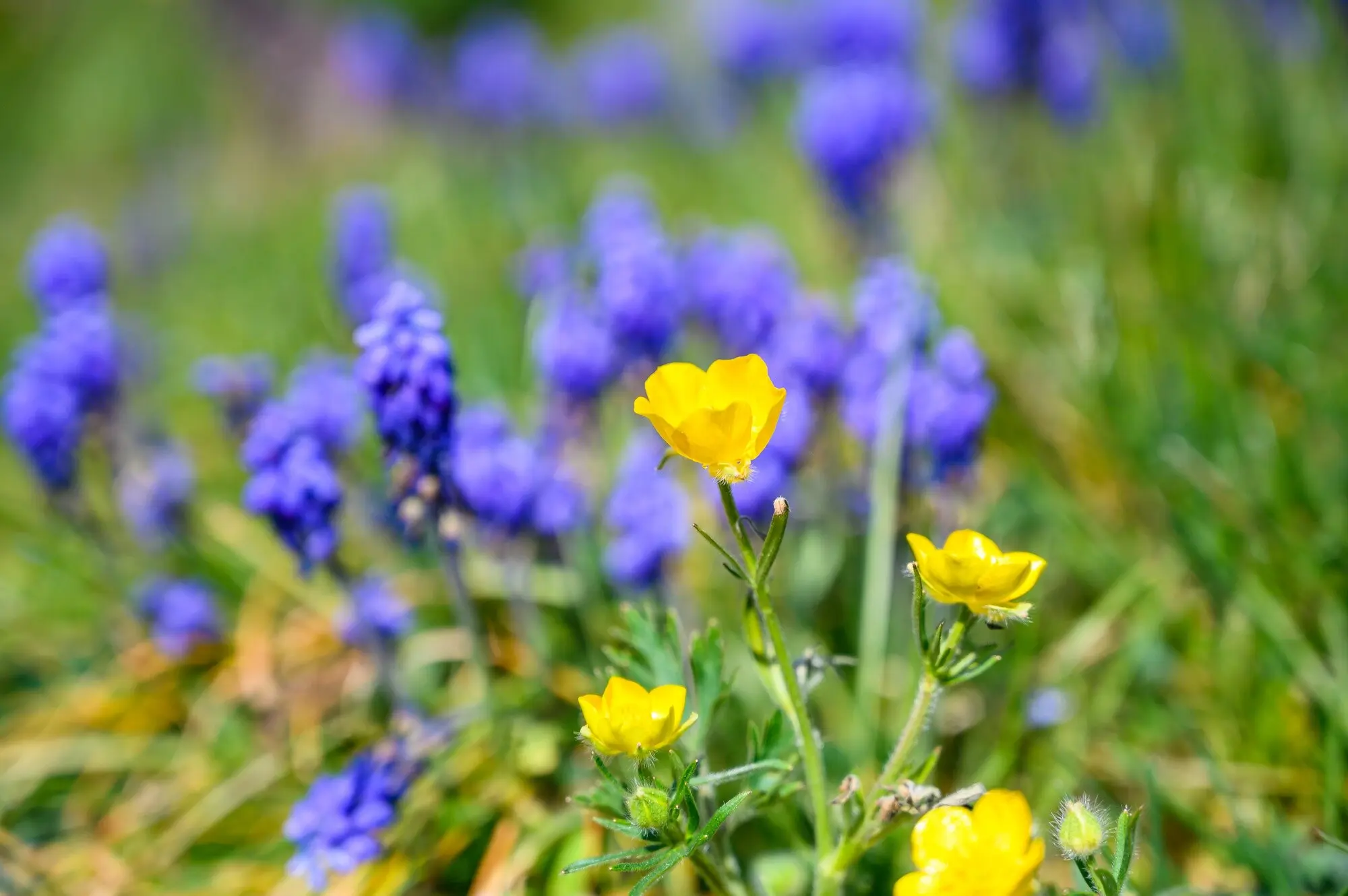
Some of the finest encounters begin a few minutes from a platform or shuttle stop. Choose gentle loops that taste the habitat without racing the clock. The suggestions below are starting points: always check access updates, daylight, and bus timetables, then shape the distance to your pace, curiosity, and comfort.

Pack Light, See More: Tools for the Golden Edge
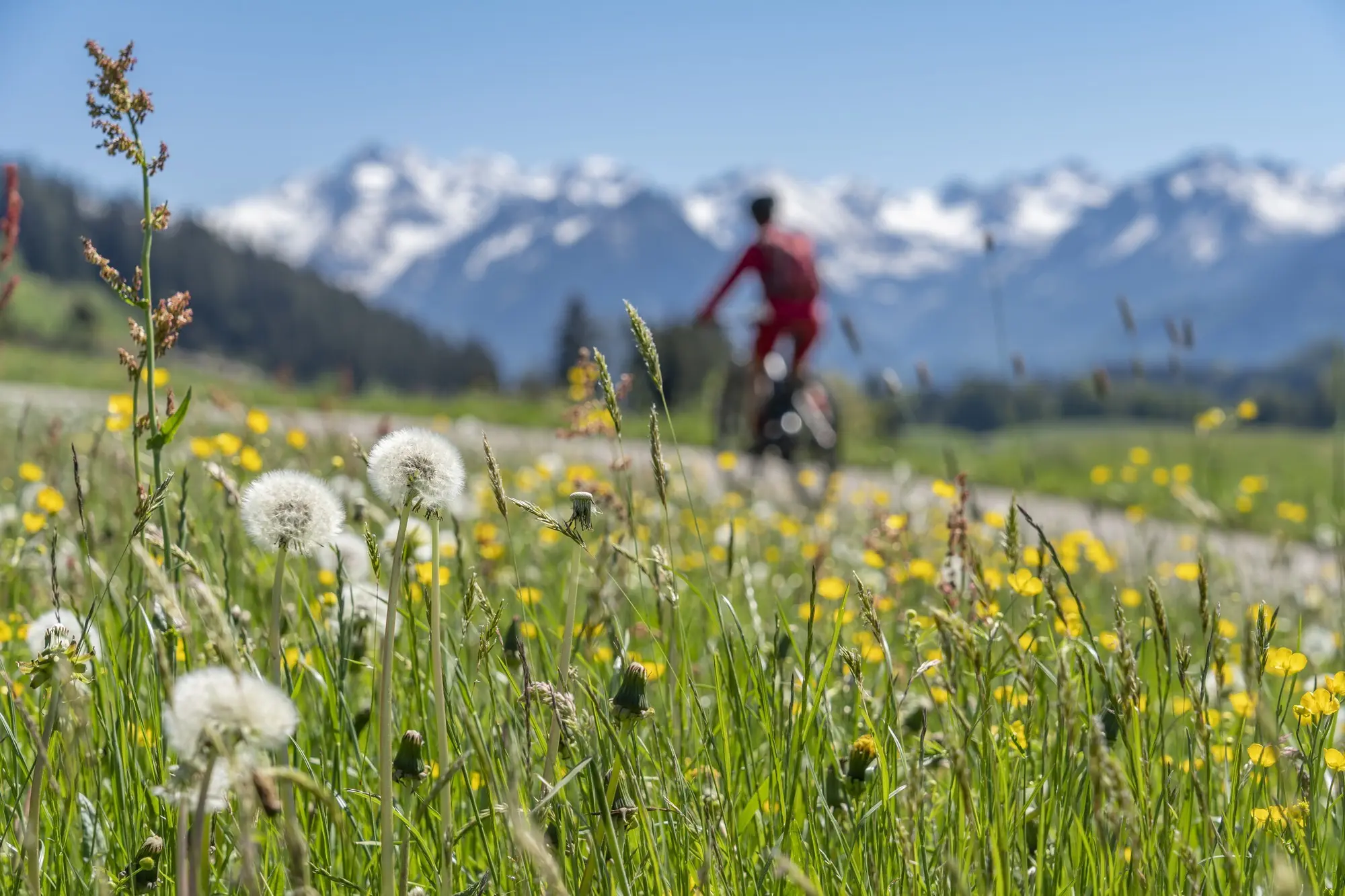
Simple, quiet kit helps you notice more. Favor compact binoculars, a small headlamp with red mode, layered warmth, and shoes that grip wet stone and whisper over boardwalk. Keep camera settings ready for low light, carry a flask, and tuck a map within reach for confident, unhurried navigation.

First Trains, Last Lights: Shared Tales from the Path

Moments gathered at day’s edges stay vivid for years. Early platforms hum with anticipation; returning buses glow warm against deepening skies. Stories bind places to practices, reminding us to move softly and leave space for wild neighbors. Share yours below, ask questions, and help others shape calm, rail-linked adventures.

A fog-lift morning above Hope Valley

The first train slid into Edale in blue-grey quiet, and fifteen minutes later the ridge rose above a sea of cloud. Red grouse chuckled, a kestrel hovered, and frost crackled under boots. We descended with rosy cheeks to coffee aromas, catching the mid-morning service as sunlight finally spilled into the village.

Dusk hush on heathland with soft wing-claps

We left Brockenhurst after tea, stepping past gorse perfume to a sandy ride where ponies browsed unbothered. As gold thinned to violet, a nightjar churred from a stump and clapped wings overhead, moth-chasing. We stood still, whispered thanks, and strolled back beneath bats toward the station’s welcoming halo.

Otter rings at daybreak from a quiet bridge

A dawn train to Wroxham led us beside reed-fringed water where mist unwound like ribbon. Kingfisher blue flashed low, then soft bubbles stitched the surface and an otter surfaced, whiskers silvered. We waited, breath held, until ripples widened and the day’s first shuttle hummed past the willows.

Pexikarozentopalopira
Privacy Overview

This website uses cookies so that we can provide you with the best user experience possible. Cookie information is stored in your browser and performs functions such as recognising you when you return to our website and helping our team to understand which sections of the website you find most interesting and useful.